7 hr
Eastern Region Adventure: Waterfalls, Botanical Gardens & Cocoa Farm
- Expert local guide
- Small group
- Skip-the-line access
- Free cancellation
Aburi Botanical Gardens — Mountain Flora & Colonial Heritage
Sixty-four acres of tropical canopy, a thousand feet above Accra's heat
Compare fares, pick the fit — all bookings are mobile-voucher and eligible for free cancellation where shown.
7 hr
11 hr
7 hr
| Experience | Duration | Rating | Pickup | Skip-the-line | Guide | Small group | Price | |
|---|---|---|---|---|---|---|---|---|
|
Guided Experience
Most popular
Eastern Region Adventure: Waterfalls, Botanical Gardens & Cocoa Farm
|
7 hr | ★ 4.7 | ✓ | ✓ | ✓ | ✓ | €95 | Book → |
|
Guided Experience
Cape Coast & Elmina Castles with Kakum Canopy Walk
|
11 hr | ★ 4.6 | ✓ | ✓ | ✓ | ✓ | €121 | Book → |
|
Guided Experience
Nature Thrills: Gardens, Cocoa Farm & Waterfall Adventure
|
7 hr | ★ 4.3 | ✓ | ✓ | ✓ | ✓ | €129 | Book → |
Worth it for nature lovers and heat relief
The 60 GHS conservation fee for an Aburi botanical gardens tour delivers solid value if you appreciate rare tropical plants and cooler mountain air. Situated 427 meters above sea level in the Akuapim Hills, the gardens offer a welcome escape from Accra's coastal humidity—temperatures here run 3-5°C cooler year-round. You're paying to access one of West Africa's most diverse plant collections, including century-old palms, bamboo groves, and medicinal species not found elsewhere in Ghana. The tranquil environment and well-maintained trails make it particularly worthwhile for photographers, botany enthusiasts, and families seeking a peaceful day trip. Casual visitors who prefer beach settings or aren't interested in plant diversity may find the fee steep for what amounts to a 90-minute stroll. For those who value green spaces, educational walks, and a reprieve from urban chaos, this botanical garden tour justifies the cost through its unique microclimate and conservation mission.
Bottom line: If you seek botanical diversity and a cooler escape from Accra, the Aburi botanical gardens tour tickets deliver measurable value for the conservation fee.
Hand-picked experiences loved by thousands of travelers
1 day
Free Cancellation
Discover botanical wonders, soar through the canopy, and swim beneath cascading falls on this full-day escape
8 hours
Free Cancellation
Journey through Ghana's Eastern Region to stunning waterfalls, historic cocoa plantations, and botanical treasures
7 hours
Free Cancellation
Journey through Ghana's Eastern highlands to discover botanical wonders, cascading falls, and cocoa heritage
1 day
Free Cancellation
Discover botanical beauty, learn cocoa history, and chase waterfalls in Ghana's lush highlands
6 hours
Free Cancellation
Discover wildlife at Shai Hills Reserve and cruise Ghana's largest lake on this sustainable day trip
5 hours
Free Cancellation
Journey through lush botanical gardens and swim beneath cascading waterfalls on this private nature escape
5 hours
Free Cancellation
Ride quads through highland trails, explore historic gardens, and swim beneath a mountain cascade
Check-in and orientation at the main gate
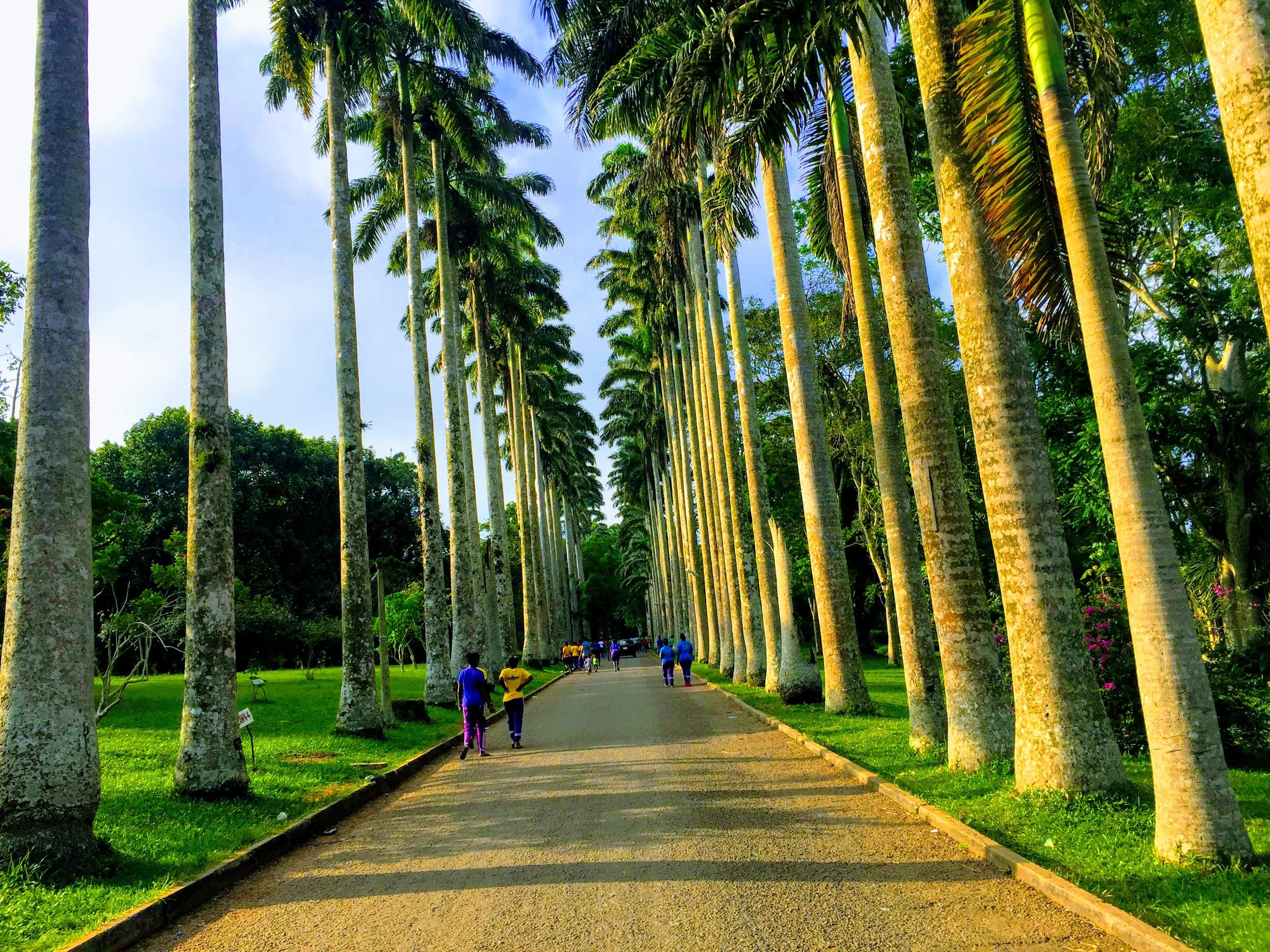
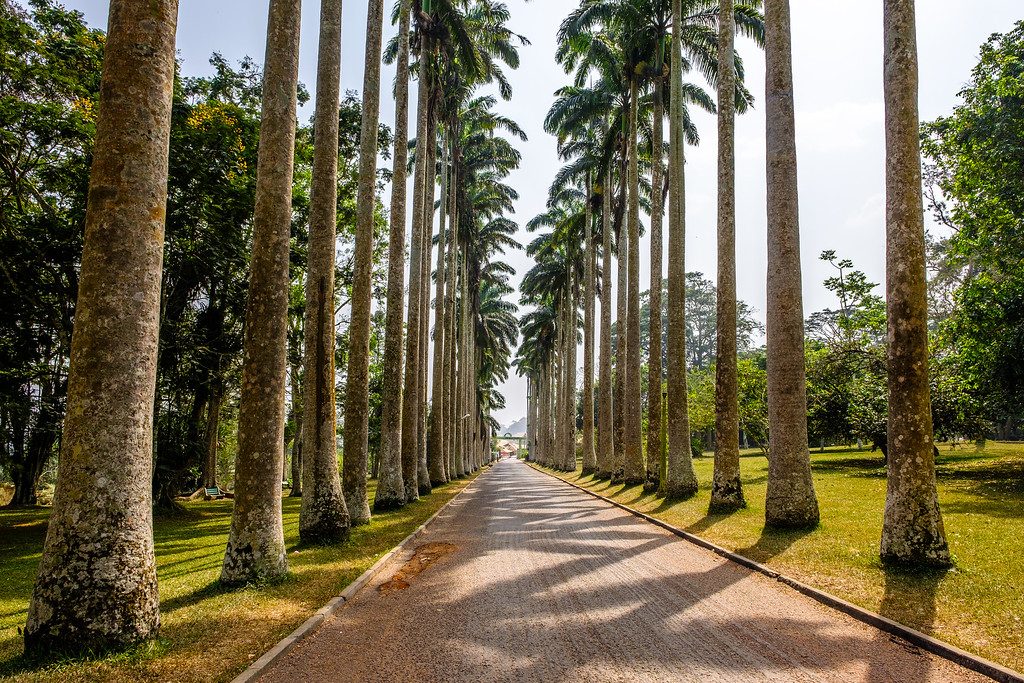
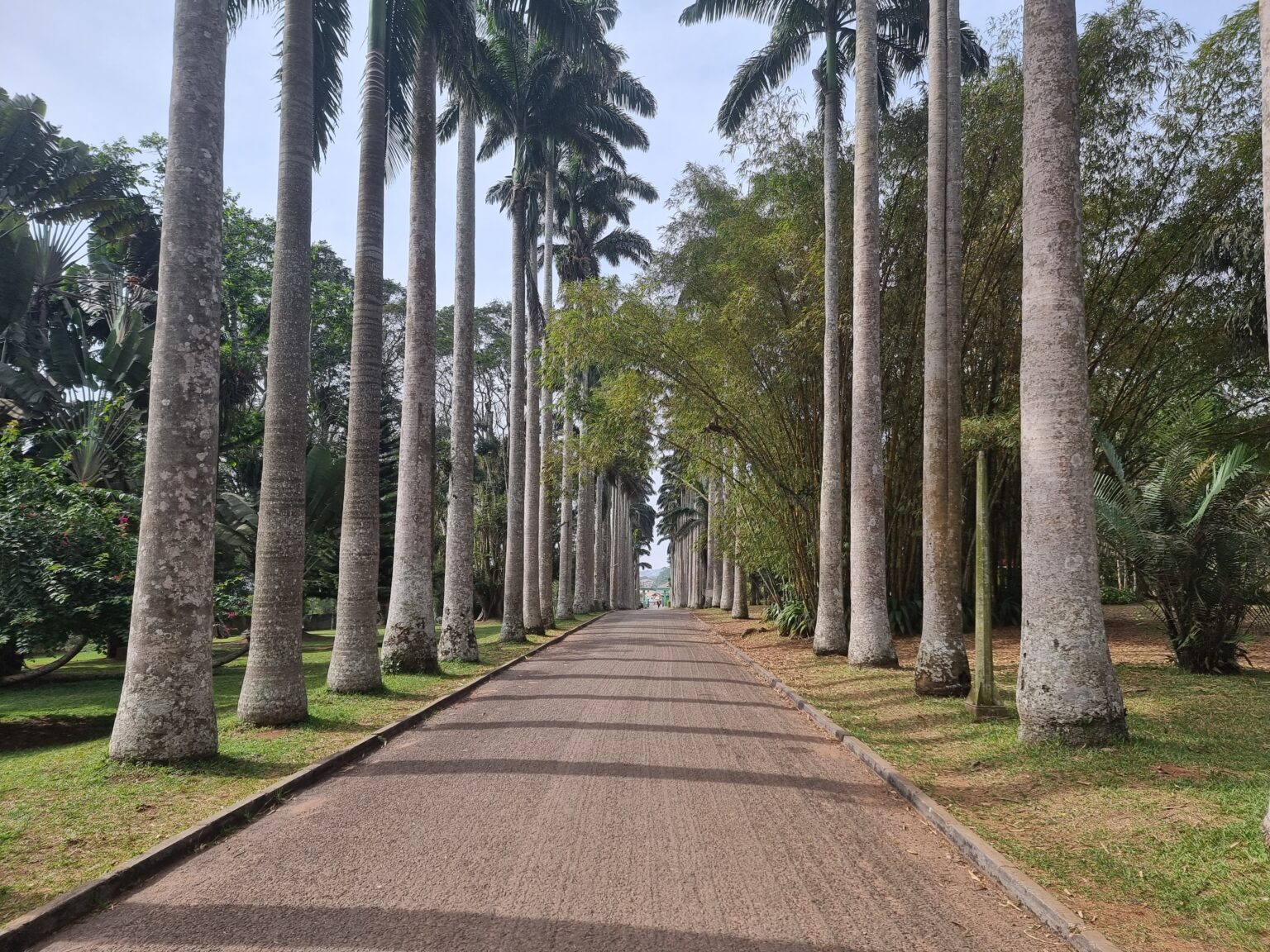
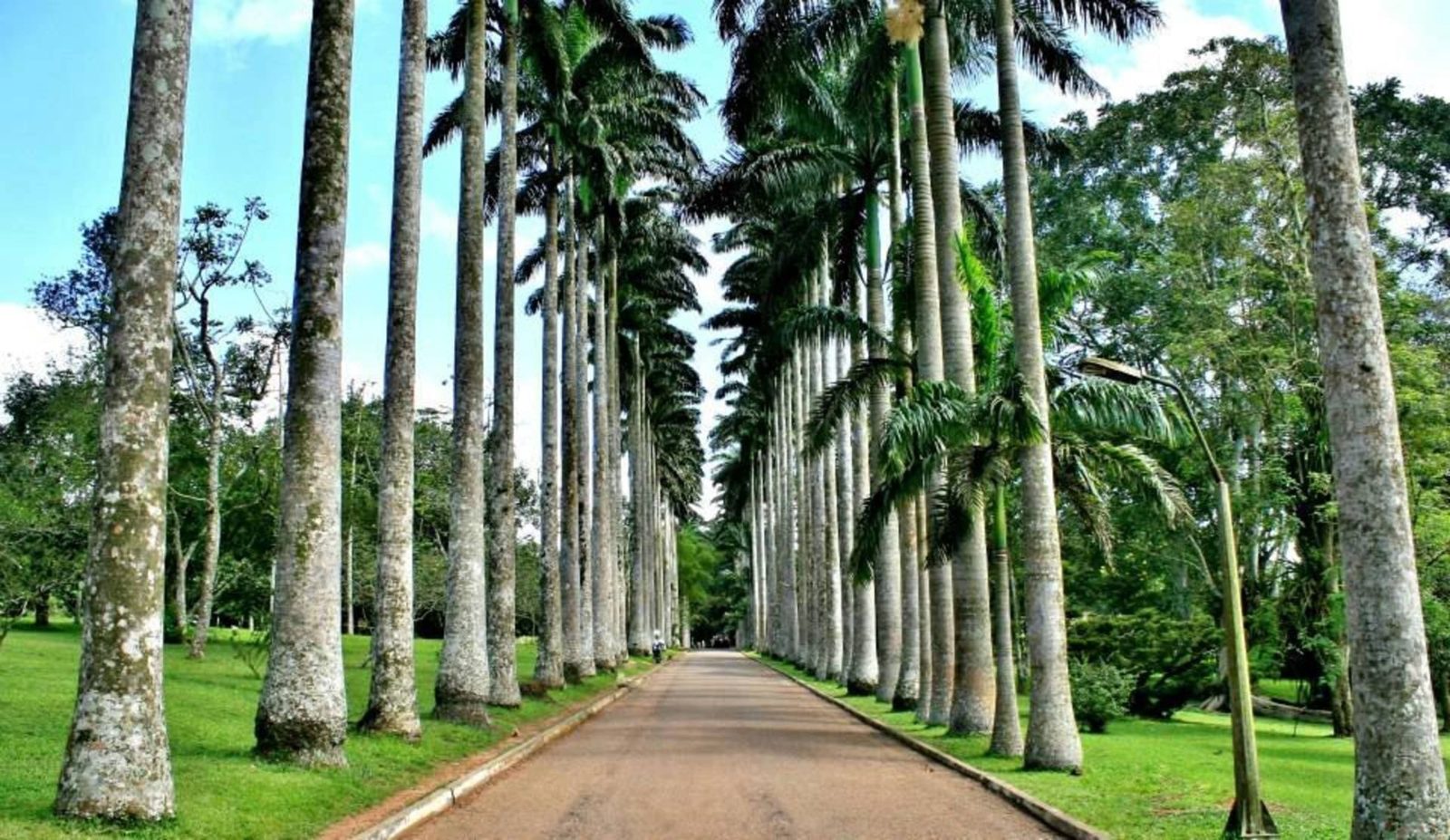
Stroll through the historic avenue of royal palms
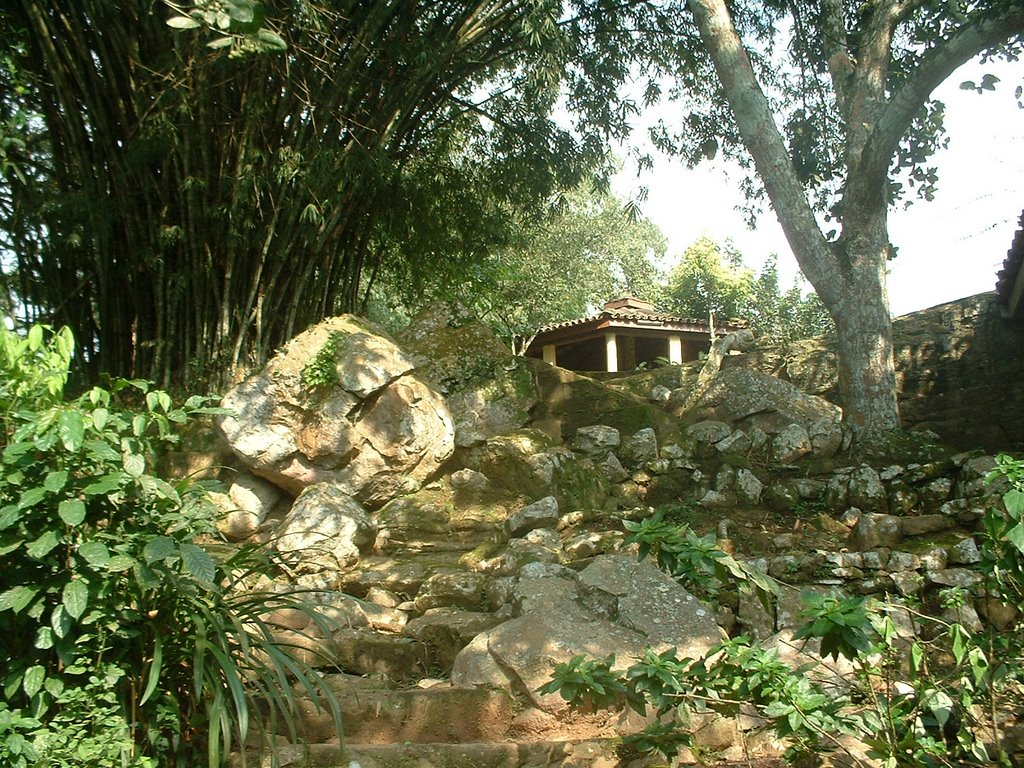
Explore the unique architecture and surrounding flora
Relaxing break in the shaded lawn sections
You arrive at the Botanical Gardens Avenue entrance shortly after opening. The morning air is noticeably cooler than Accra's coast, and mist still clings to the upper canopy. You pay the 60 GHS conservation fee at the gate and receive a simple map printed on cardstock.
The main avenue stretches ahead, bordered by royal palms that predate independence. You walk the gravel path slowly, pausing to read the weathered plaques identifying each specimen. A guide approaches and offers a walking tour for an additional fee, but you decline and continue solo.
Twenty minutes in, you reach the arboretum. Here, trees planted in the 1920s form a dense overhead lattice. Sunlight fractures into narrow beams. You spot a family seated on a spread cloth beneath a mahogany, sharing a cooler of drinks. The path splits; you take the left fork toward the pond. Giant water lilies cover half the surface, their pads wide enough to support a child. You crouch at the edge and photograph the reflection of silk cotton branches in the still water. A gardener rakes fallen leaves nearby, nodding as you pass. You loop back through the medicinal plant section, reading the Twi names for each shrub, then climb the gentle slope to the hilltop overlook. From here, Accra is a haze on the southern horizon. You sit on a bench and stay longer than planned.
All the details about your upcoming adventure in one place
The Aburi Botanical Gardens tour offers access to one of West Africa's oldest botanical collections, established in 1890 at 370 meters above sea level. Visitors explore themed sections showcasing tropical and subtropical plant species, walk shaded pathways beneath towering silk cotton trees, and enjoy panoramic views across the Accra plains. Guided Aburi botanical gardens tours and self-guided botanical garden visits provide opportunities to observe heritage trees, ornamental plantings, and endemic flora within this historic reserve.
The Aburi Botanical Gardens were established in 1890 by the British colonial administration as an experimental nursery for cultivating economic crops across the Gold Coast. Spread across 64.
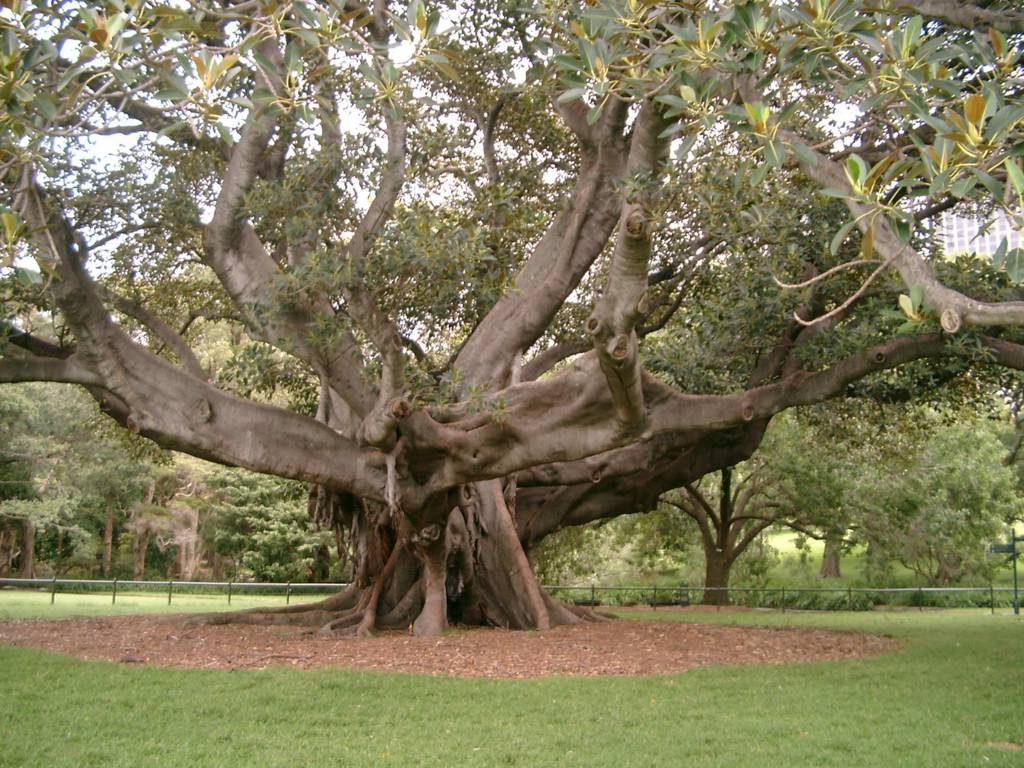
8 acres on the Akuapim Ridge, 427 meters above sea level, the gardens were tasked with testing cocoa, rubber, and cinchona propagation. The cooler microclimate and year-round rainfall made the site ideal for species that struggled in Accra's coastal humidity. Within a decade, the nursery had supplied cocoa seedlings to farmers across the colony, laying the foundation for Ghana's cocoa economy. The original palm-lined entrance avenue and several Ficus specimens from that era still anchor the gardens today.
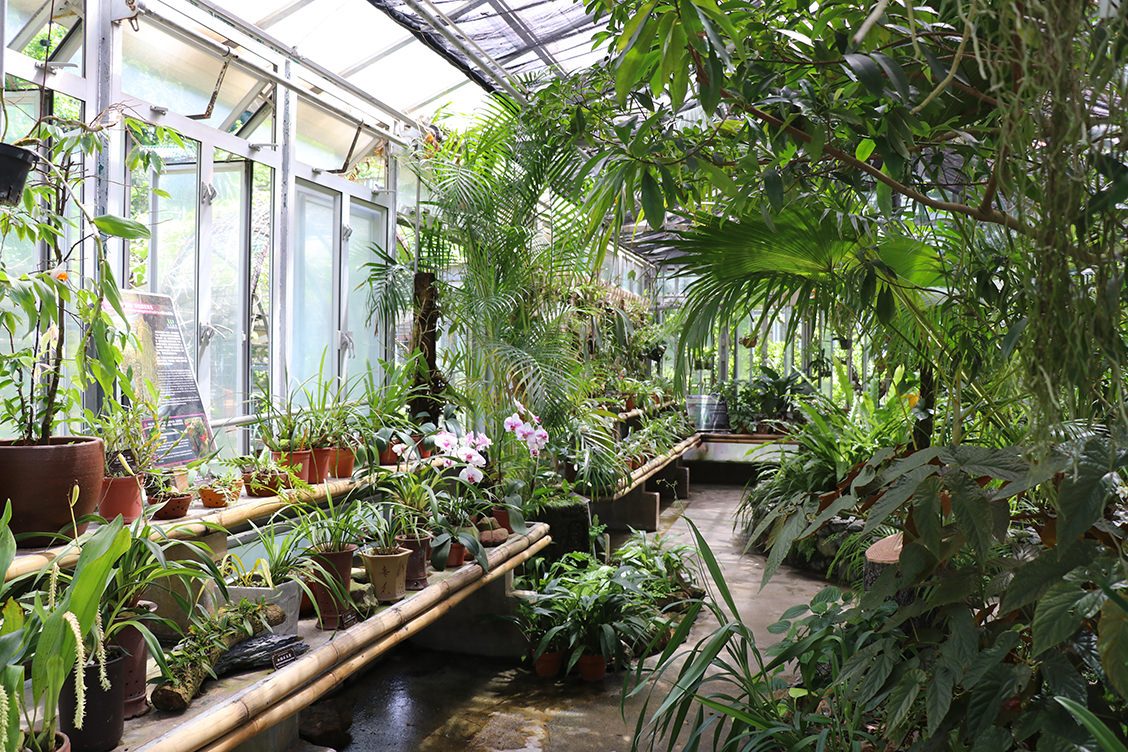
Today the Aburi Botanical Gardens function as both a conservation reserve and a public retreat. The collection spans over 600 plant species, including endemic West African varieties, introduced exotics, and towering specimens of mahogany, African teak, and silk cotton. The medicinal plant section showcases traditional herbal remedies used across Ghana, while the orchid house preserves delicate epiphytes from the forest zone. The gardens' elevation provides relief from Accra's heat, with temperatures averaging 5-7 degrees cooler than the capital. Weekend visitors come for picnics beneath the canopy, family gatherings in the shaded lawns, and guided walks that explain the botanical lineage of each section. The Aburi Botanical Gardens & Park tours offer structured routes through the economic crop zone, the arboretum, and the hilltop overlook.
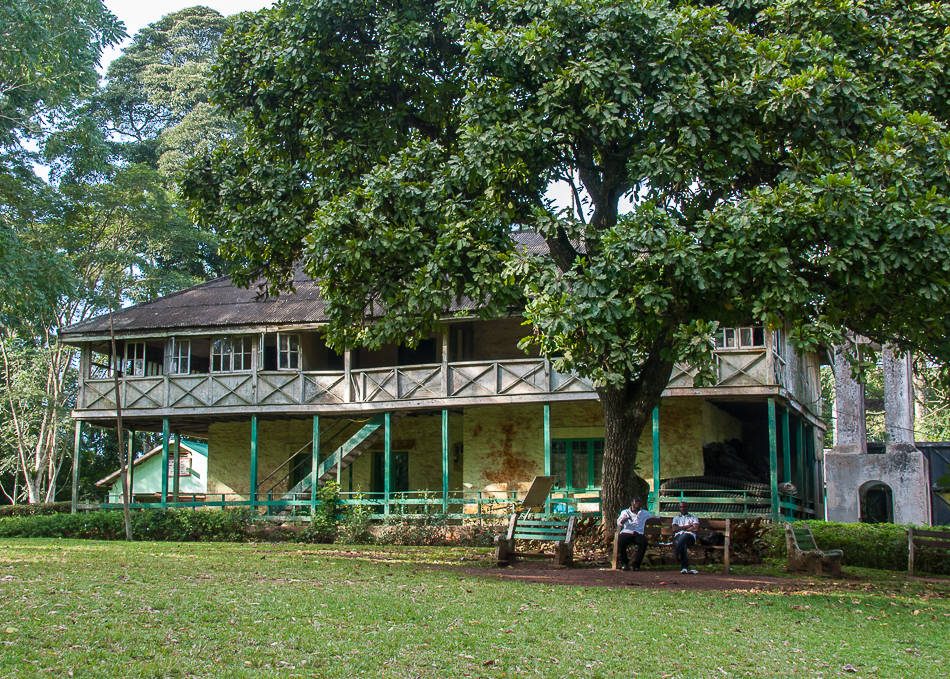
The Gardens Superintendent's residence, a colonial-era bungalow now serving as administrative offices, overlooks the central lawn. Stone pathways wind beneath a cathedral of mature trees, their root systems stabilizing the ridge's fragile topsoil. The gardens are managed by the Ghana Wildlife Division under the Ministry of Lands and Natural Resources, with conservation funding sourced from the 60 GHS foreign visitor entrance fee. Morning hours see the fewest crowds, allowing uninterrupted exploration of the pond area, where giant water lilies and papyrus reeds frame still water. The site's proximity to Accra—45 kilometers northeast on the Aburi Road—positions it as the city's most accessible mountain escape. Aburi gardens entrance fee revenue supports ongoing replanting programs and the maintenance of heritage specimens. The gardens remain open daily from 08:30 to 17:00, though the best light for photography falls between 09:00 and 11:00 when the sun angles through the canopy.

Within a decade, the nursery had supplied cocoa seedlings to farmers across the colony, laying the foundation for Ghana's cocoa economy.
Casual and modest clothing is recommended for this Accra green space. Flat, closed-toe walking shoes are essential for navigating the unpaved nature trails.
Small daypacks are permitted for the aburi botanical gardens tour. All visitors may be subject to a routine bag check at the security post.
Non-commercial photography is permitted throughout the botanical park. Please respect the privacy of other guests during your aburi botanical gardens tour.
The site provides ample space for children to explore outdoors. Strollers can be used on primary paved sections of the aburi botanical gardens tour.
While many main paths are accessible, some trails involve uneven ground. Visitors requiring assistance should plan for a companion to accompany them on this Accra botanical tour.
Picnicking is allowed in designated lawn areas. Outside food and beverages are permitted, but please carry all trash out of the garden upon departure.
Opening Hours
08:30–17:00
Address
Botanical Gardens Avenue, Aburi, Akuapim South, Eastern Region, Ghana
Accessibility
Gravel and paved paths throughout the garden
Best Arrival
08:30–11:00
Storage
No lockers available on-site
Navigation
Garden map available at the entrance gate
Car · 45-60 min · Variable fuel cost
Follow the N4 highway from Accra towards Aburi, taking about 45-60 minutes.
Taxi · 60 min · Negotiable fare
Hire a private driver from Accra city center for a direct trip.
Entry fees are non-refundable once the conservation fee of 60 GHS is processed. Please verify your travel plans prior to arrival at the garden entrance.
Recommended time
3-4 hours
A typical aburi botanical gardens tour requires roughly three to four hours to fully explore the walking paths, historic palm-lined avenues, and lush scenery. Plan for a half-day outing to comfortably account for the transit from Accra, which can vary based on mountain road traffic. While the site is a popular weekend escape, booking your aburi botanical gardens tour tickets in advance or arriving early ensures you navigate the grounds before peak visitor hours. Adding time for lunch at a local cafe or browsing nearby craft stalls is recommended if you wish to extend your excursion into a relaxed full-day experience.
Crowd levels through the day
Weather · crowds · average price — dots go green to amber to red as each metric rises.
The post-rainy season offers vibrant greenery and cooler temperatures for your aburi botanical gardens tour.
Dry and breezy conditions make this a popular time for local visitors.
Warm temperatures persist, ideal for early morning nature observation.
Expect frequent rain showers, requiring rain gear for outdoor exploration.
Ensure your aburi botanical gardens tour begins during the 08:30–11:00 arrival window to beat the heat.
Carry sufficient water as there are limited refreshment stalls inside.
Prioritize sturdy walking shoes for the varied garden terrain.
Practice leave-no-trace principles to help maintain this historical site.
Consider hiring an on-site guide to learn about the species found on this Accra botanical tour.
Botanical Gardens Avenue, Aburi
Primary entry point for all arrivals
Get directionsThe Aburi Botanical Gardens were established in 1890 by the British colonial government, originally serving as a sanatorium for European officials seeking relief from coastal malaria. Governor William Brandford Griffith selected the site at 1,500 feet elevation for its cooler climate and consistent rainfall. The first superintendent, William Crowther, planted experimental crops including cinchona for quinine production and rubber trees to assess commercial viability. By 1892, the gardens had transitioned from a health retreat to a formal botanical research station, acquiring rare specimens from Kew Gardens in London and botanical institutions across the British Empire. The early twentieth century brought scientific expansion under superintendent J. M. Dalziel, who catalogued over 600 indigenous Ghanaian plant species between 1912 and 1925. The gardens became a center for forestry research, introducing mahogany and teak plantations that would later inform national timber policy. The iconic avenue of royal palms was planted in 1924 to commemorate a visit by the Prince of Wales. During World War II, the site pivoted to food security, growing cassava and yams to supplement military rations. Ghana's independence in 1957 marked a philosophical shift. The gardens opened fully to the public in 1958, shedding their colonial exclusivity. Prime Minister Kwame Nkrumah commissioned new greenhouses for tropical medicinal plants, viewing botanical research as a tool for African self-sufficiency. Funding declined sharply in the 1970s and 1980s, leading to infrastructure decay and specimen loss. A 2003 partnership with the University of Ghana revived conservation efforts, introducing endemic species protection programs and visitor education initiatives. Today, the gardens balance their dual mandate as a scientific institution and a destination for aburi botanical gardens tour experiences, preserving both historical plantings and modern ecological research.
British colonial government establishes the Aburi Botanical Gardens as a high-altitude sanatorium for European officials.
Site transitions to a formal botanical research station, receiving specimen collections from Kew Gardens.
Superintendent J. M. Dalziel catalogues over 600 indigenous Ghanaian plant species during this period.
Royal palm avenue planted to commemorate the Prince of Wales' visit to the Gold Coast.
Gardens open fully to the Ghanaian public following national independence the previous year.
Severe funding cuts lead to infrastructure deterioration and loss of botanical specimens.
University of Ghana partnership launches conservation programs and restores research capacity.
Stand in the center of this iconic path to capture the symmetrical towering royal palms stretching toward the horizon. This location is a staple for an aburi botanical gardens tour and offers a classic perspective of the landscape.
Position yourself at the edge of the elevated stone structures to photograph the contrast between the jagged volcanic rock formations and the delicate ferns. The composition works well with a wide-angle lens to include the surrounding canopy.
Focus on the Victorian-era architecture of the greenhouse to highlight its iron framework and weathered patina against the lush greenery. Capture close-up details of the structure or pull back to frame it within the surrounding horticultural collection as you secure your aburi botanical gardens tour tours.
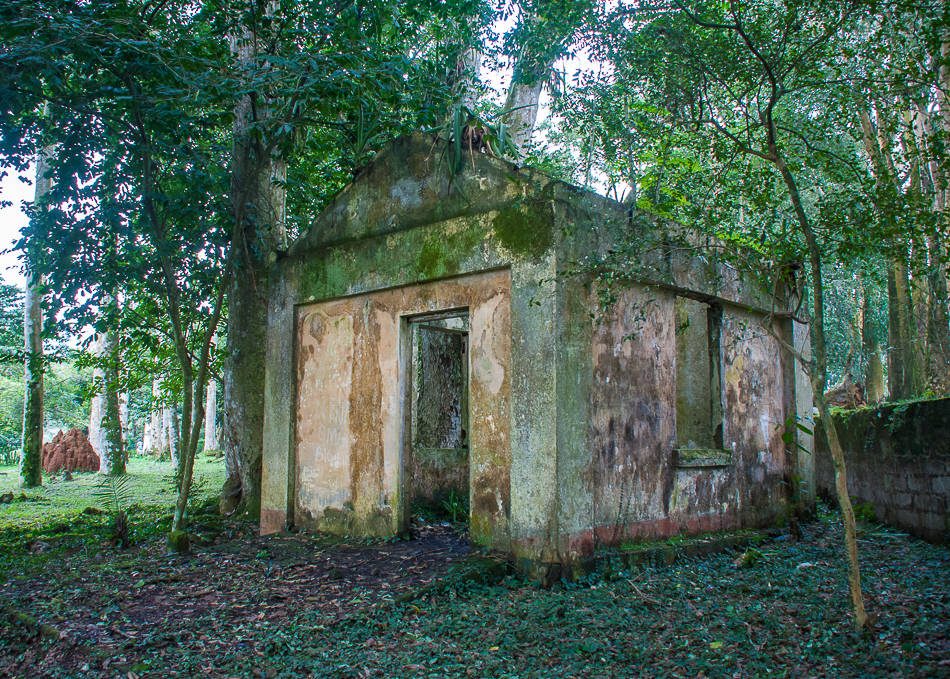
Compose your shot using the stone arches of these historic ruins to frame the vibrant plant life behind them. This spot provides a moody aesthetic when the light filters through the trees to complete your aburi botanical gardens tour tour.
Walk among these ancient plant species to find low-angle perspectives that emphasize their unique geometric leaf patterns. This area is ideal for macro photography if you have already obtained your aburi botanical gardens tour tickets.
Dining options near your aburi botanical gardens tour range from rustic mountain-view eateries to casual roadside spots. While planning your Accra landmarks visit, consider that many popular local restaurants are located just a short drive from the main entrance along the Aburi-Accra road.
Offers a diverse menu with expansive views of the Akuapim ridge, perfect for a relaxed post-tour meal. Their grilled tilapia and jollof rice are frequently recommended by guests seeking a full dining experience.
A reliable spot for traditional Ghanaian staples and light snacks after you purchase your aburi botanical gardens tour tickets. It is a convenient choice for visitors who prefer a sit-down environment without a long commute.
Located within the grounds, this venue serves as the primary stop for refreshments during aburi botanical gardens tour tours. It provides a simple selection of beverages and local snacks for those maximizing their time among the flora.
Real experiences from real travelers
We took the aburi botanical gardens tour on a Saturday morning and the cooler hillside air was such a relief from Accra's heat. The palm-lined avenues are beautifully maintained and we spent nearly two hours just wandering. Guide was knowledgeable about the plant species.
Brought my kids here last weekend. The suspension bridge was their favorite part and the open lawns gave them space to run around. Clean facilities and plenty of shade under the old trees.
The orchid house alone is worth the trip. I visited on a weekday afternoon when it was quiet and could really appreciate the rare plant collection. The gardens tour guides offer insights into Ghana's botanical history that I hadn't expected.
Established over a century ago and still thriving. The giant bamboo groves and medicinal plant section were highlights. Could use better signage in some areas but overall a solid experience.
Only 40 minutes from Accra but feels like a different world. The mature trees provide natural cooling and the birdlife is impressive. Perfect for photography or just a quiet walk.
I wasn't sure what to expect from a botanical garden tour in Ghana but this place is truly special. The diversity of tropical plants is remarkable and the hilltop setting offers nice views over the surrounding forest.
Visited during the dry season when the weather was perfect for walking. The historic trees tell their own stories and the staff clearly take pride in maintaining the grounds. Refreshment area could be improved.
The combination of native and introduced species makes this more than just a pretty park. Our guide explained conservation efforts and the garden's role in research. Well worth the drive from the capital.
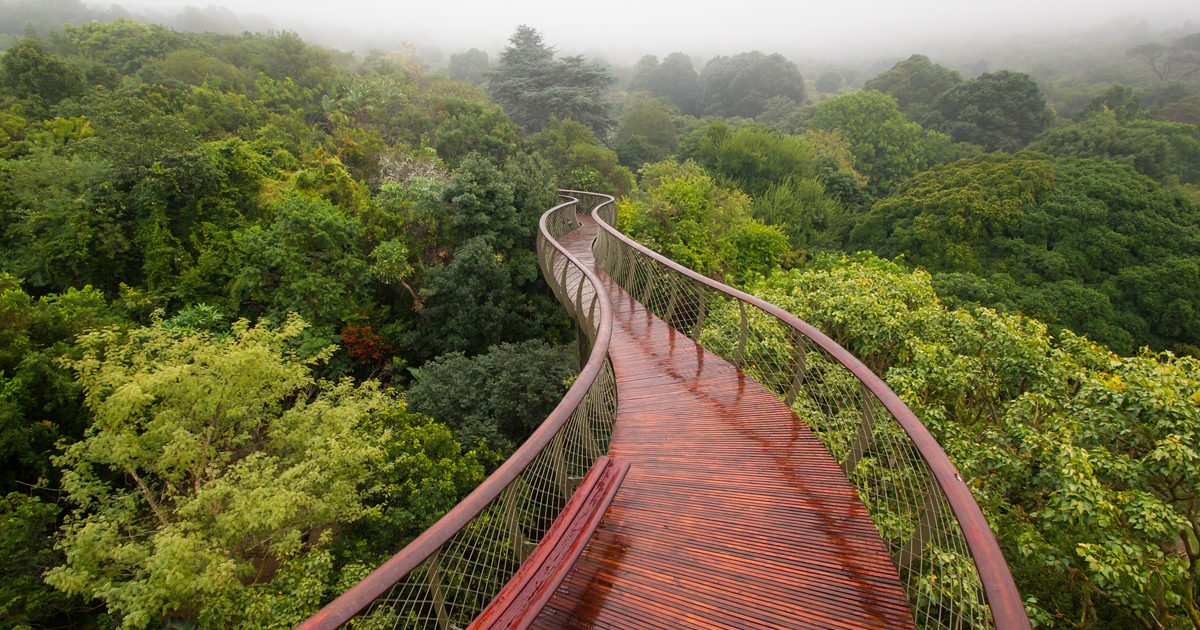
Came here on a friend's recommendation and spent a wonderful three hours exploring. The canopy walkway gives you a different perspective and the plant diversity is genuinely impressive for such a compact area.
Local tip: arrive when they open at 8am before tour groups. The morning light through the trees is beautiful and you'll have the trails mostly to yourself. The aburi botanical gardens tour becomes busier after 10am on weekends.
Everything you need to know for your journey
The gardens are open daily from 08:30–17:00. These hours apply to all days of the week, including weekends.
The conservation fee is 60 GHS per foreign adult. This fee supports the maintenance of the grounds.
It is highly recommended to arrive between 08:30–11:00 to enjoy cooler mountain temperatures and avoid peak crowds.
While the main paths are accessible, some areas feature uneven terrain. Visitors should be prepared for typical garden paths during their Accra nature tour.
Yes, you are encouraged to bring your own snacks and drinks. Please use designated picnic areas and carry your trash out.
Non-commercial photography is allowed. For any commercial shoots, you would need to contact the administration separately regarding the aburi botanical gardens tour policies.
Tickets are non-refundable once the 60 GHS conservation fee is paid. Please plan your visit accordingly.
Prohibited items include drones, alcohol, and large speakers. Please check the full list before your aburi botanical gardens tour begins.
Yes, the site is often combined with visits to the Aburi Craft Village or other nearby Accra landmarks.
Children are welcome to explore the open spaces. It is a family-friendly site, though adult supervision is necessary on the trails.
Browse local wood carvings and textiles near the garden exit.
A distinct green space located on the outskirts of Accra.
Various guesthouses and hotels within short driving distance.
Join thousands of happy travelers who have discovered this incredible experience
Book Your Experience Now