7 hr
Eastern Region Waterfalls, Botanical Gardens & Cocoa Farm Adventure
- Expert local guide
- Small group
- Skip-the-line access
- Free cancellation
Aburi Botanical Gardens Tours — Reserved Entry & Nature Escapes
Eastern Region canopy walks and cocoa estates, forty minutes from Accra
Compare fares, pick the fit — all bookings are mobile-voucher and eligible for free cancellation where shown.
7 hr
7 hr
8 hr
Visitors planning aburi botanical gardens tours should select the entry option that best matches their scheduling needs, whether arriving for a quiet morning stroll or seeking a comprehensive experience of this historic Accra landmark.
|
Top pick General Admission Standard Entry |
Guided Experience Private Tour | |
|---|---|---|
| Entrance Fee | 60 GHS | Varies by operator |
| Access Method | Walk-in | Pre-booked/Guided |
| Availability | Flexible | Timed/Scheduled |
| Areas Included | Main gardens | Gardens and local sites |
| Best for | First-timers | Deep discovery |
| See tickets & prices |
Verdict: The standard gate entry is recommended for those wanting a flexible aburi botanical gardens tours tour, while those preferring structured logistics should look into pre-booked aburi botanical gardens tours tickets.
Worth it for nature lovers and combo seekers
Aburi botanical gardens tours deliver strong value when packaged with Eastern Region highlights — most bookable options bundle the gardens with waterfalls, cocoa farms, and zipline adventures for a full-day experience. The standalone 60 GHS conservation fee covers access to historic grounds established in 1890, canopy walks, and labeled plant collections spanning tropical and temperate species. Tours typically allocate 1–2 hours here before moving to Boti Falls or Tetteh Quarshie Cocoa Farm, turning a modest garden visit into a regional sampler. Solo travelers paying only the entrance fee get a quieter, self-guided wander through shaded paths and viewpoints over Accra's plains — solid for a half-day escape but limited compared to the combo itineraries. The gardens anchor most Eastern Region nature packages, making them hard to skip if you're booking those routes.
Bottom line: Book a combo tour to maximize value — the gardens work best as part of a broader Eastern Region itinerary rather than a solo destination.
They complement each other; most visitors who do both call Shai Hills the more thrilling wildlife experience, while the botanical garden is the premier choice for serene mountain landscapes. If you are choosing between these popular Accra landmarks for your next day trip, this guide helps you weigh the options.
|
Top pick Aburi Botanical Gardens |
Shai Hills Resource Reserve | |
|---|---|---|
| Primary focus | Botanical heritage and nature | Wildlife safari and hiking |
| Distance from Accra | Approx. 1 hour | Approx. 1 hour |
| Opening hours | 08:30–17:00 daily | 08:30–17:00 daily |
| Entrance fee (foreign adult) | 60 GHS (conservation fee) | Standard park admission fee |
| Best arrival window | 08:30–10:30 | 08:30–10:30 |
| Typical duration | 1–2 hours | 2–3 hours |
| Best for | Leisurely strolls and picnics | Safari, caving, and rock climbing |
| See tickets & prices |
Verdict: Choose Aburi Botanical Gardens if you seek a relaxing, flora-focused day, or opt for Shai Hills if your group prefers an active safari tour featuring animal sightings and cave exploration.
Hand-picked experiences loved by thousands of travelers
7 hours
Free Cancellation
Explore Ghana's lush botanical gardens, historic cocoa plantation, and cascading waterfalls on this full-day excursion
Full day (approximately 10 hours)
Free Cancellation
Discover botanical treasures, soar through the canopy on ziplines, and swim beneath cascading waterfalls
1 day
Free Cancellation
Discover botanical gardens, learn cocoa production secrets, and witness cascading rainforest falls
8 hours
Free Cancellation
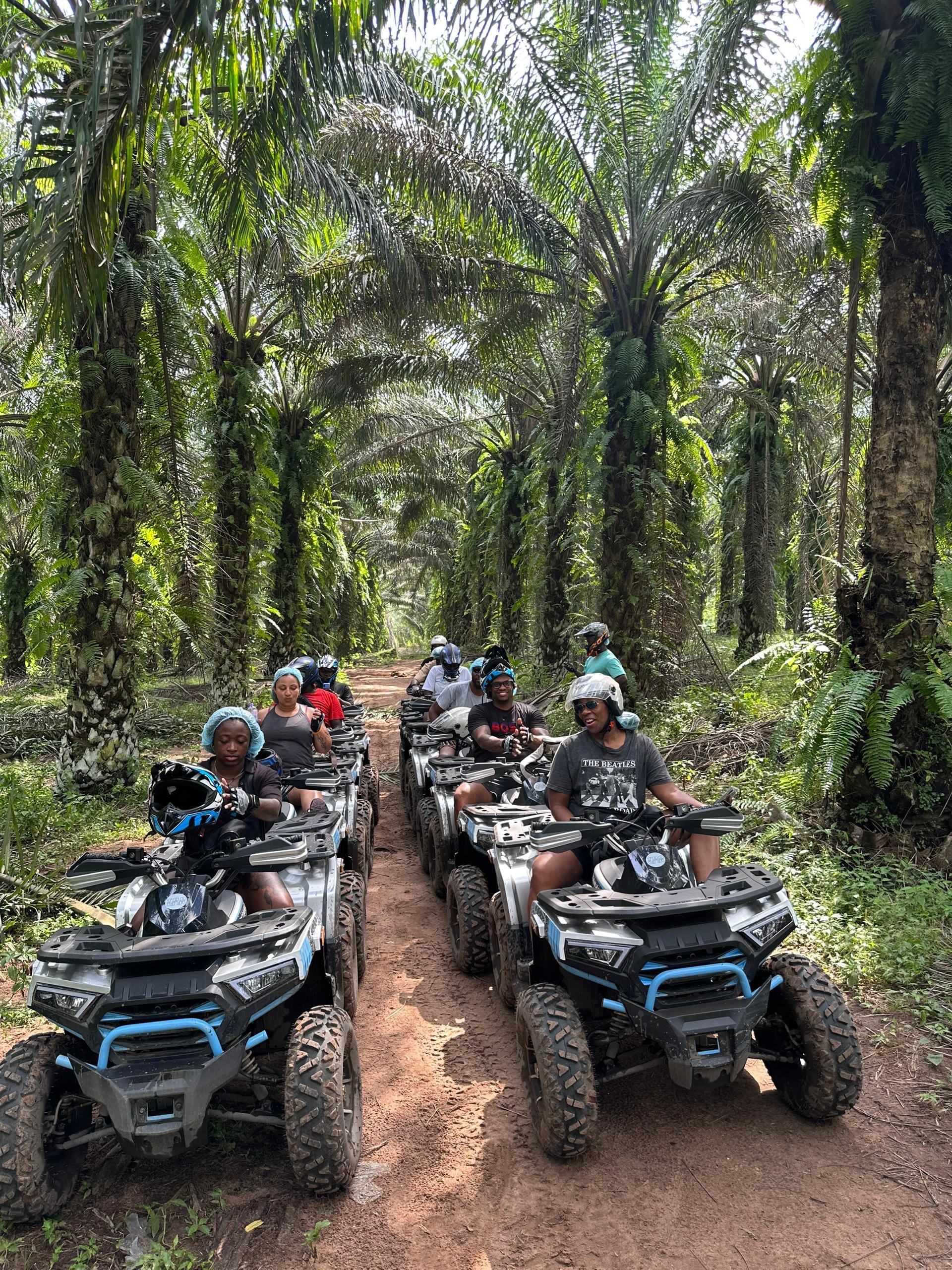
Discover botanical wonders, ride ATVs through forest trails, and swim beneath cascading waterfalls on this action-packed day trip from Accra.
5 hours
Free Cancellation
Ride ATVs through challenging terrain, swim at hidden waterfalls, and wander botanical gardens rich with flora
5 hours
Free Cancellation
Journey through lush botanical gardens and swim beneath cascading falls on this countryside escape
Full day (approximately 8-9 hours)
Free Cancellation
Explore Eastern Region's beloved twin waterfalls with natural wonders, forest trails, and refreshing pools
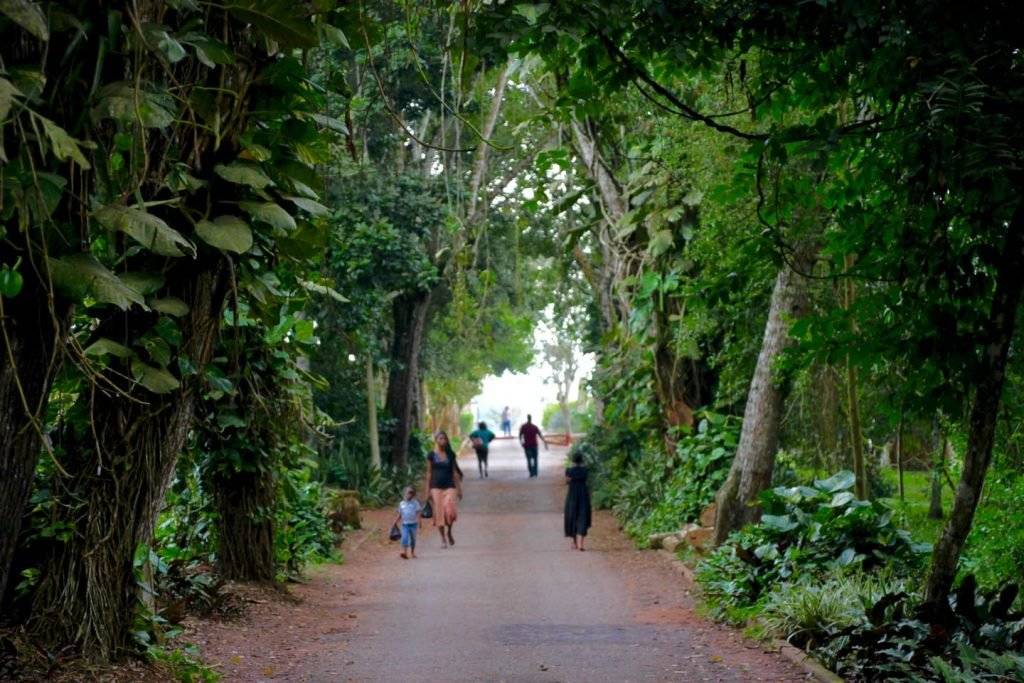
An iconic, majestic walkway featuring a dense canopy of ancient mahogany trees.
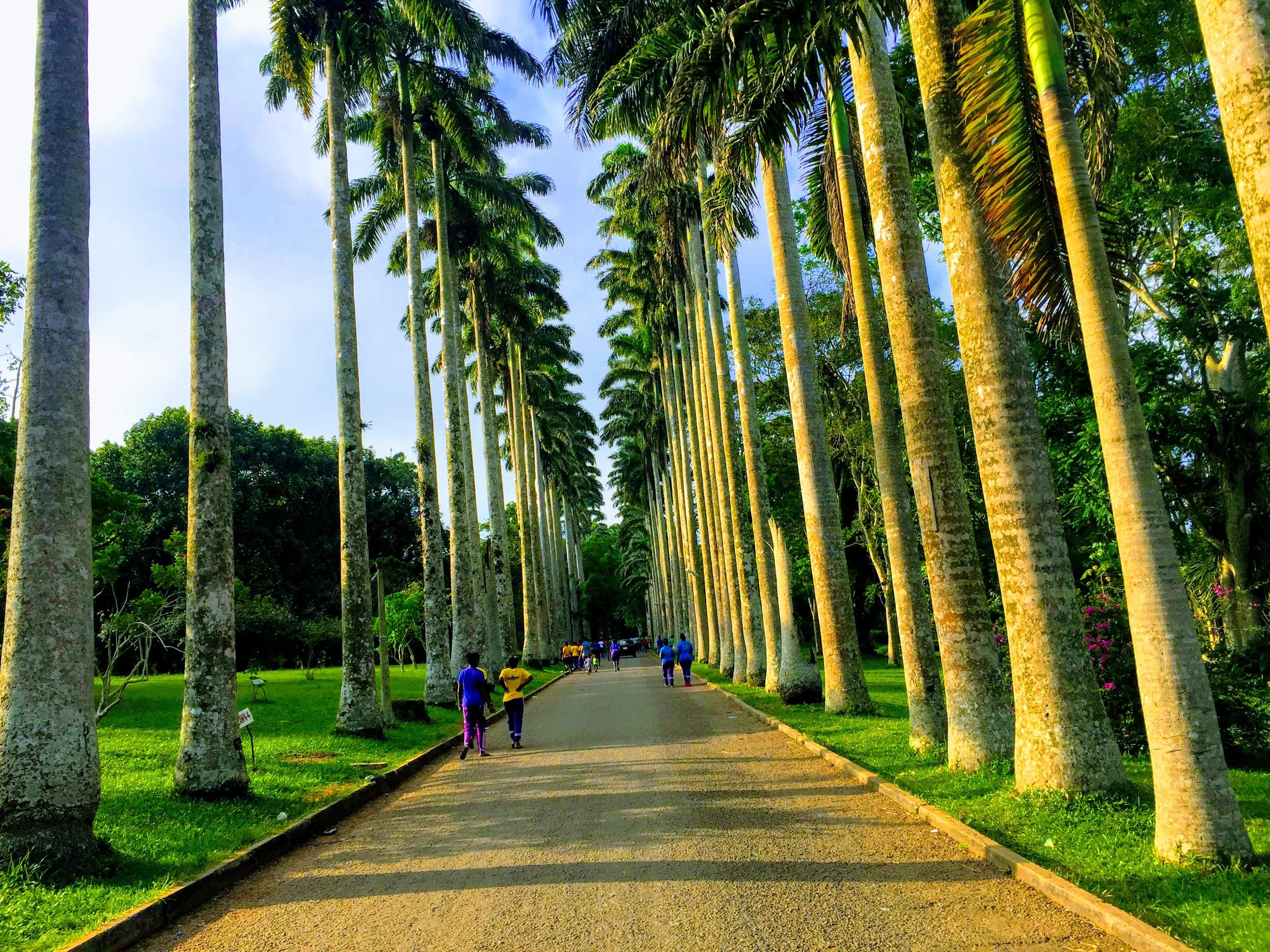
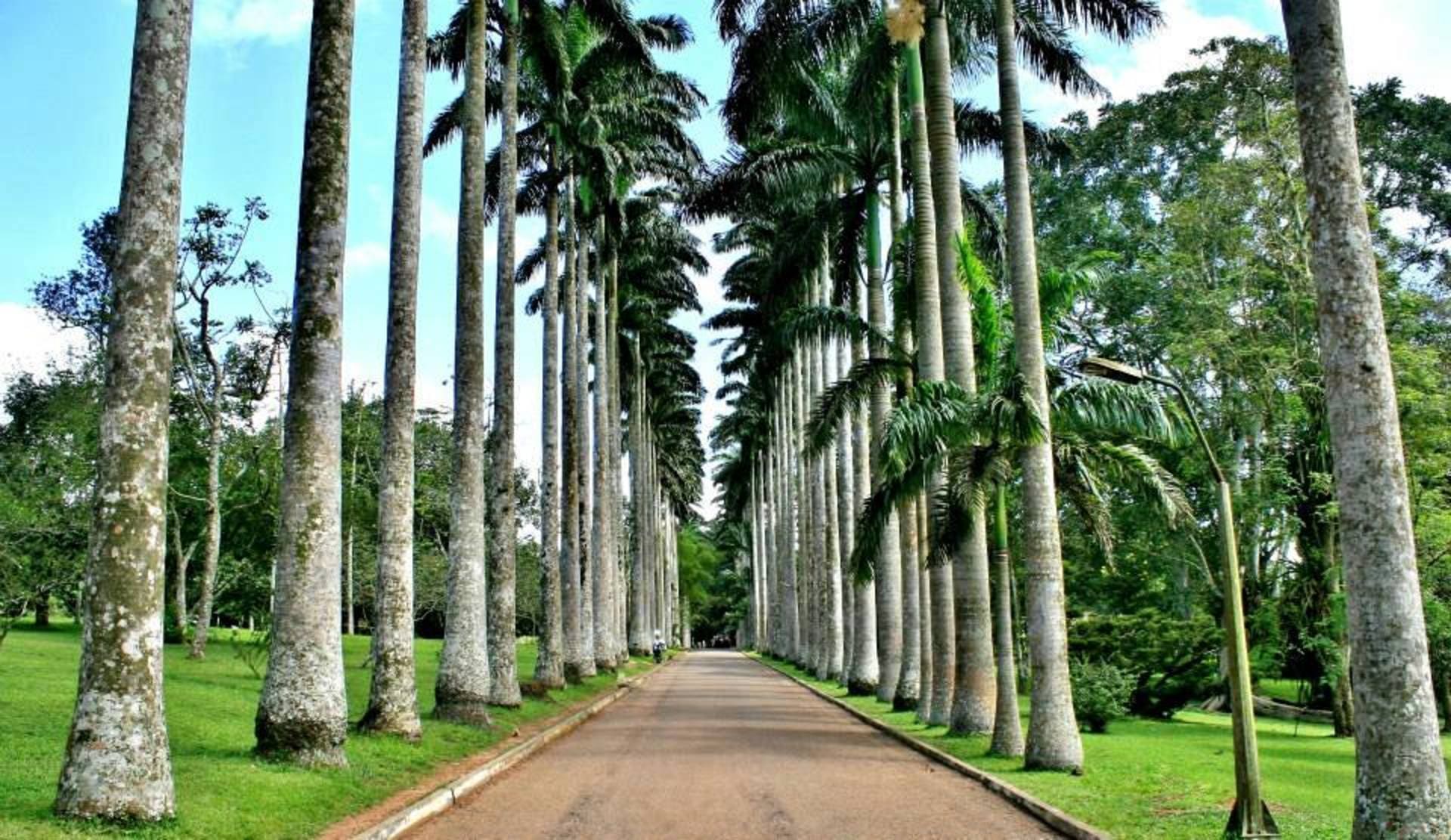
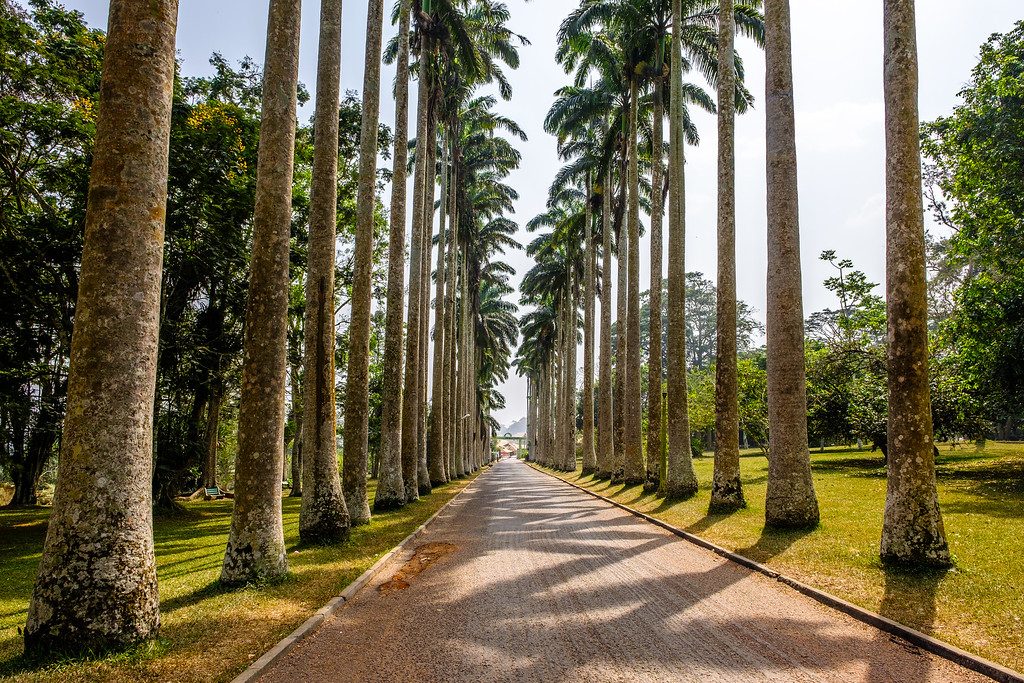
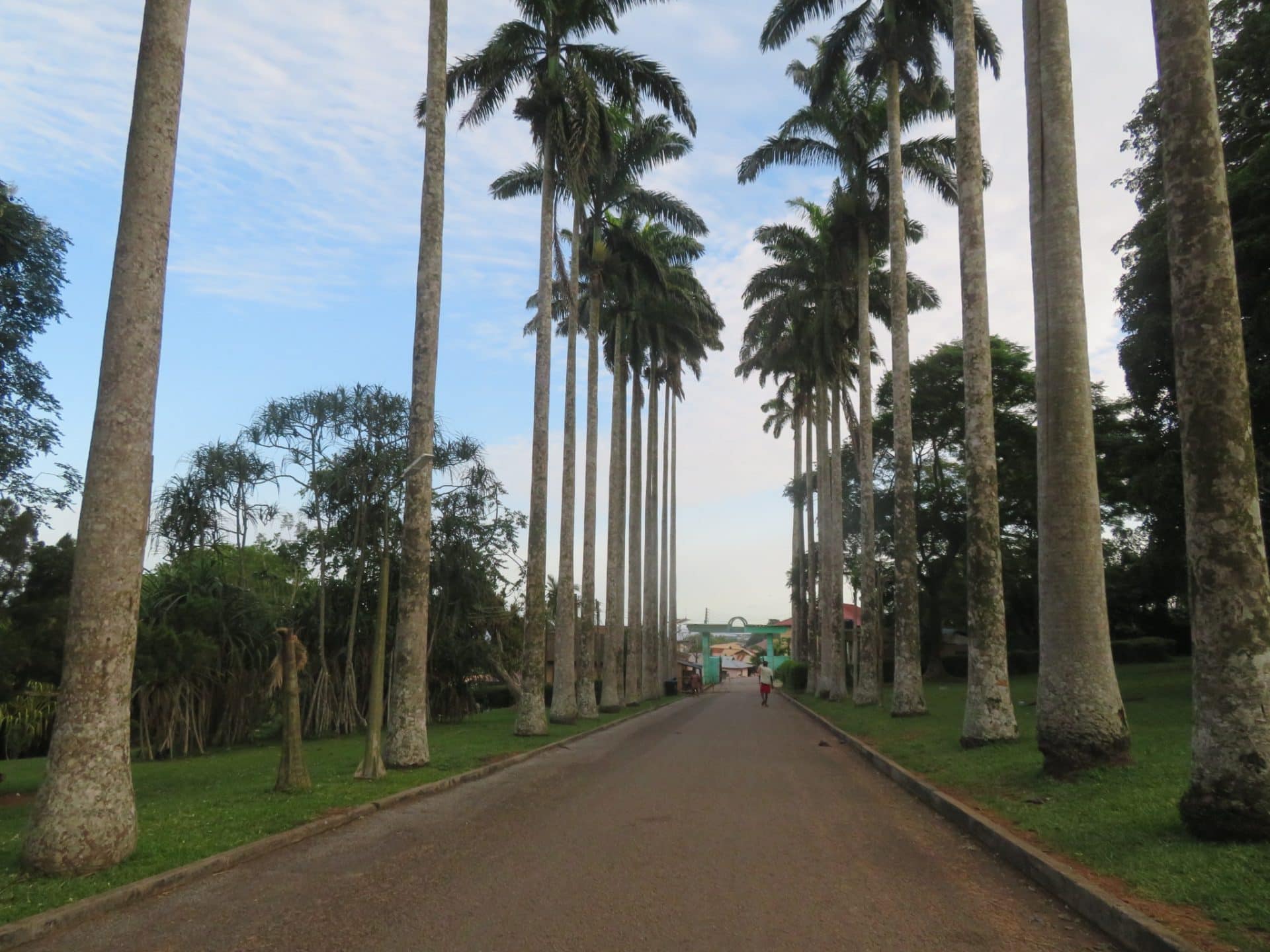
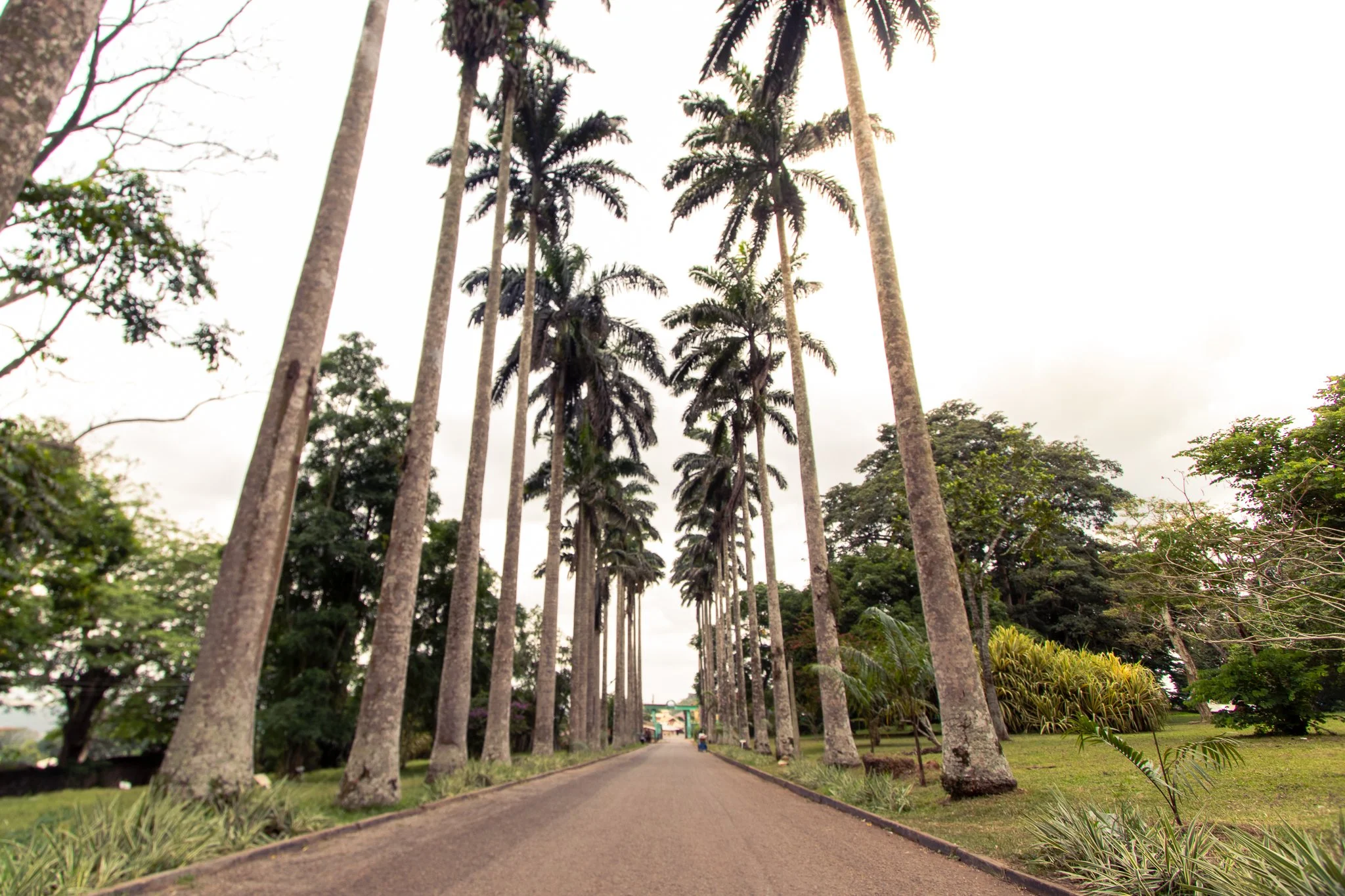
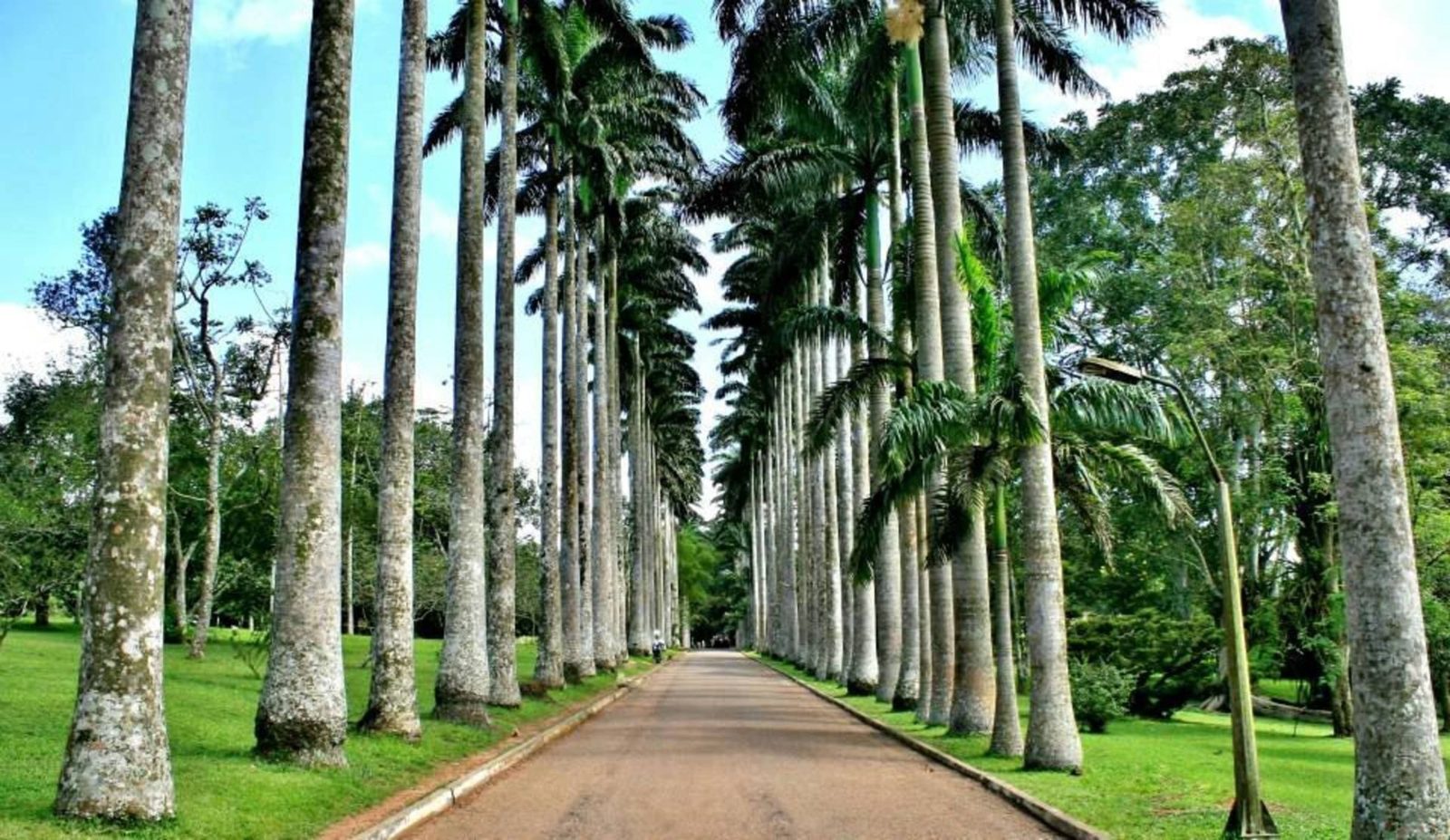
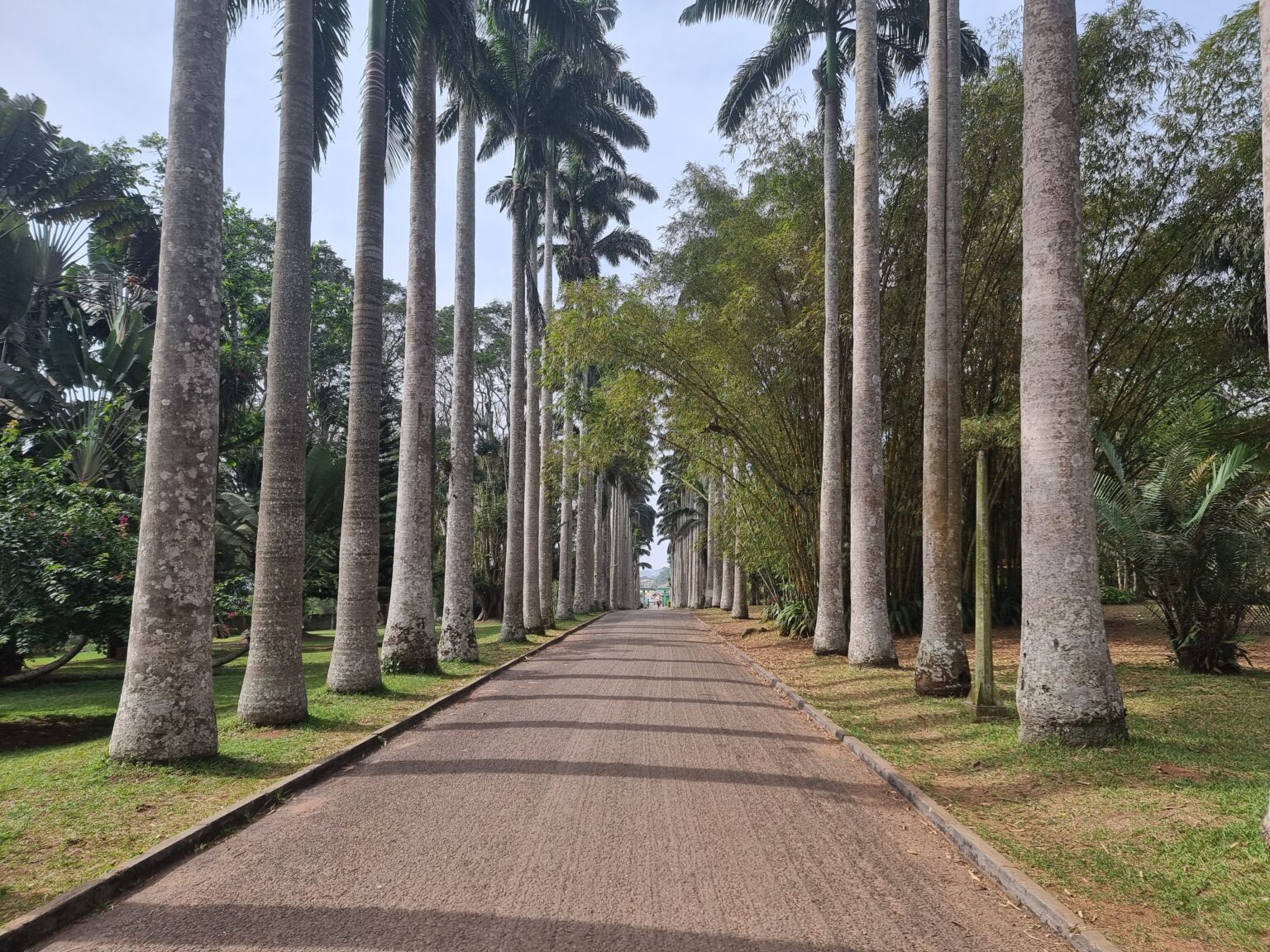
A 270-meter pathway featuring perfectly symmetrical Roystonea regia palms, ideal for photography.
A unique artistic carving by Kofi Sale that represents themes of leadership and human unity.
A glasshouse collection showcasing over 300 species of tropical orchids from across the continent.
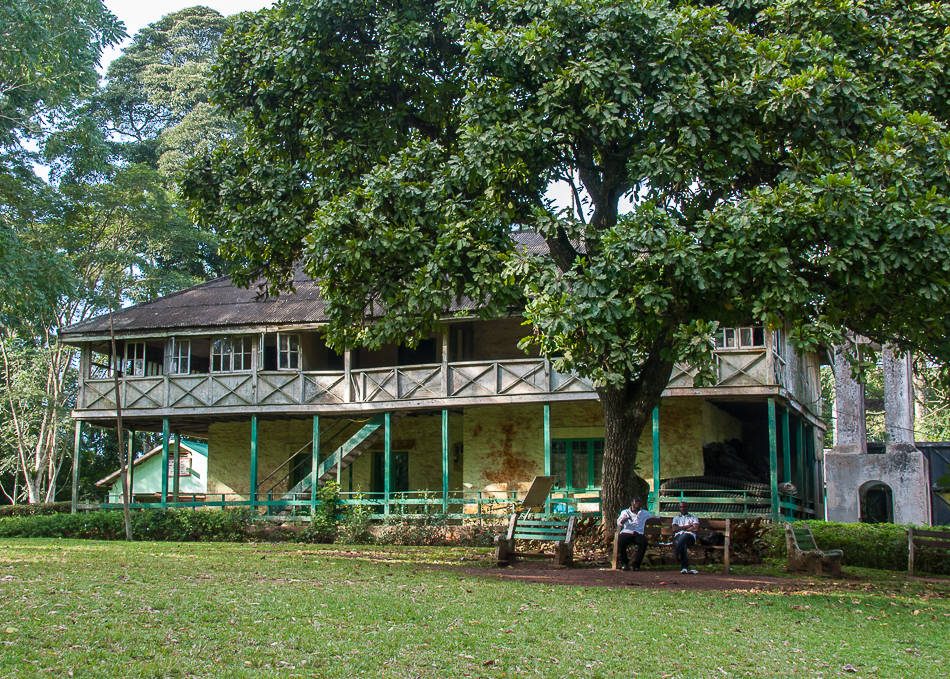
A colonial-era architectural landmark that now serves as a quiet retreat for visitors.
You leave Accra before 08:00, climbing the Akuapim escarpment as roadside market stalls give way to cocoa plots and cassava terraces. By 09:00 you step onto the gravel paths of Aburi Botanical Gardens, air noticeably cooler beneath the forest canopy.
Your guide identifies a towering kapok, its buttress roots wider than a car, then leads you down the royal palm avenue where light filters in neat vertical shafts.
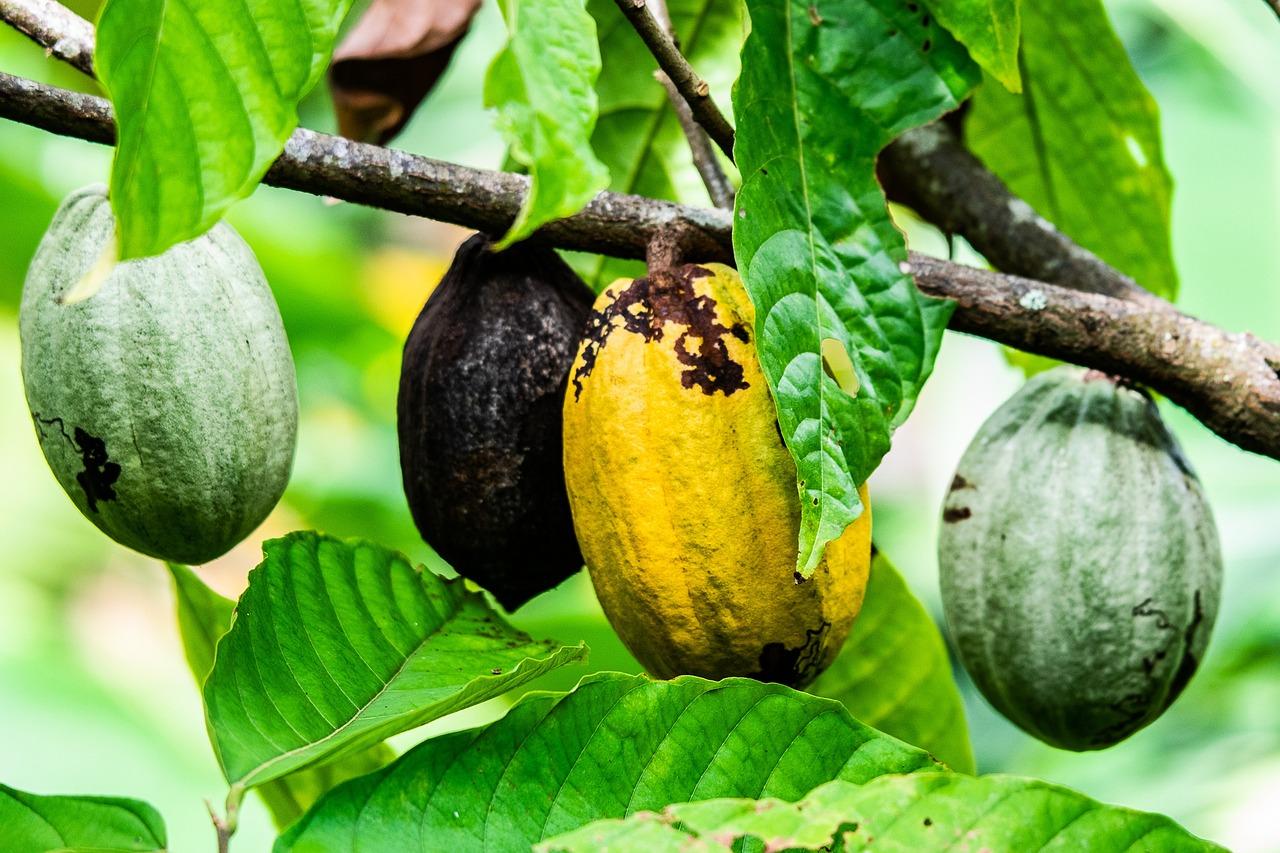
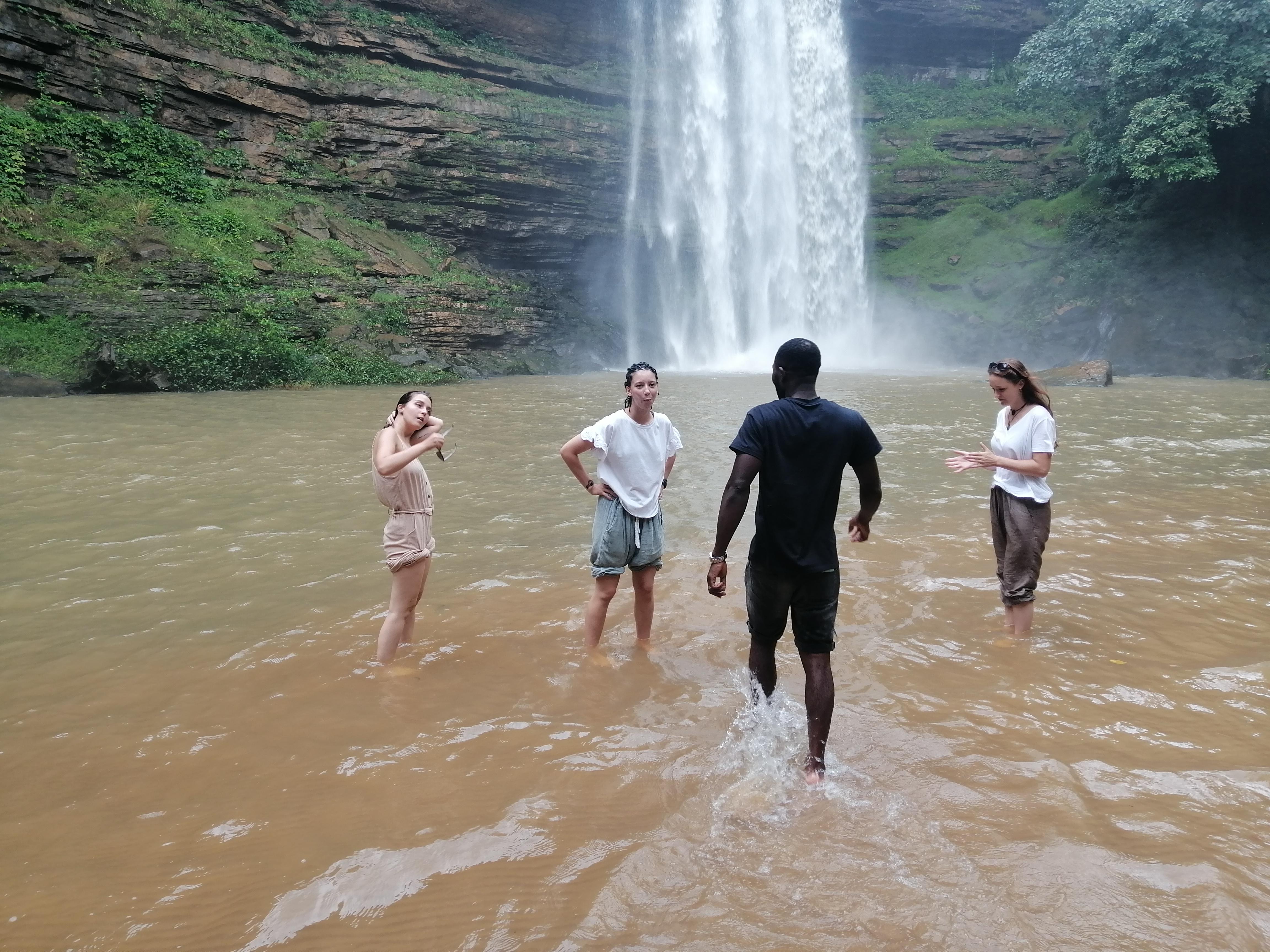
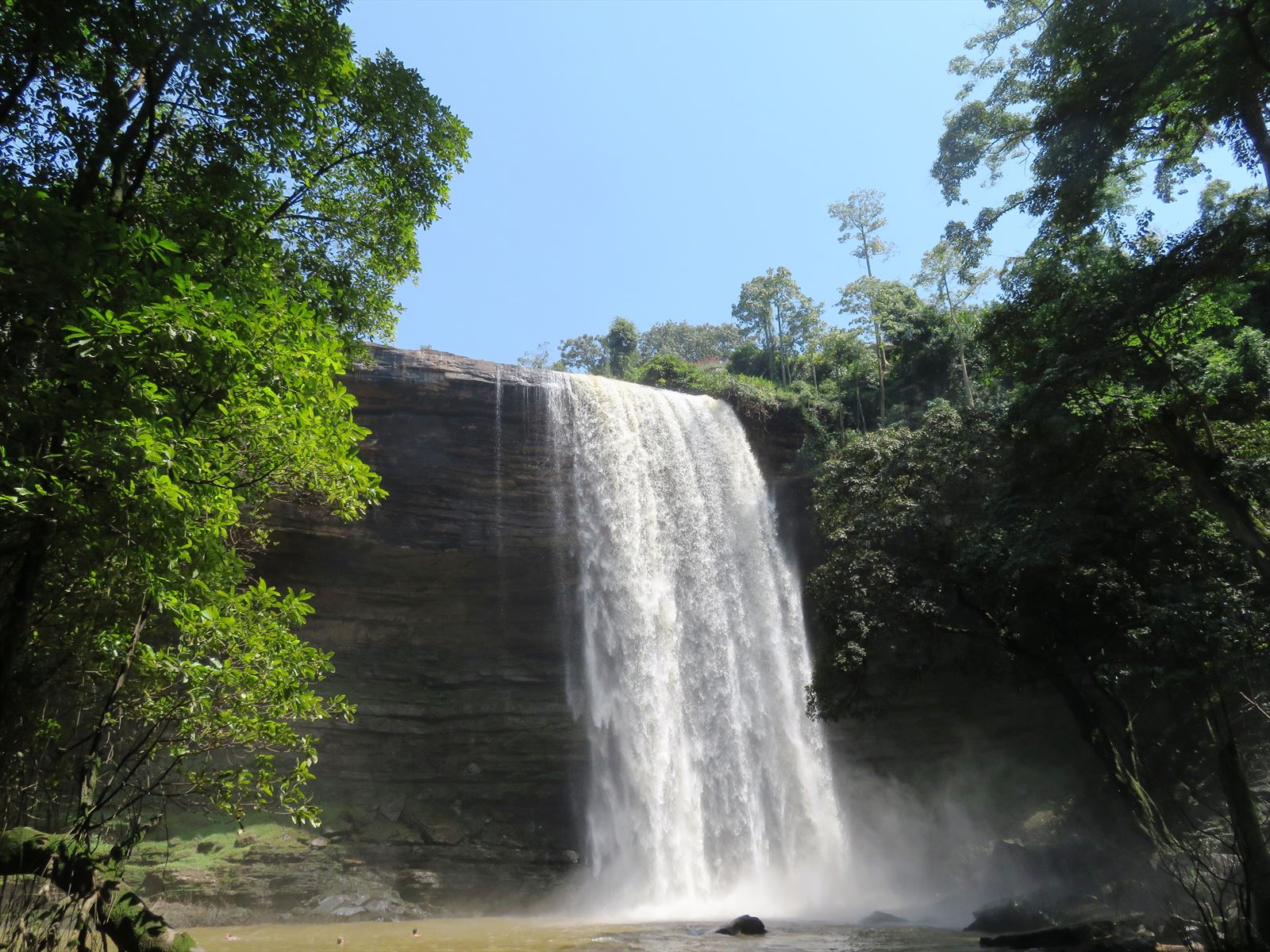
Mid-morning you pause at the colonial pavilion, then follow a narrower trail to a stand of bamboo, the hollow culms rattling in the breeze. Around 11:00 the tour often continues to a nearby cocoa farm, where you split open fermented pods and taste raw nibs, bitter and astringent. If your package includes waterfalls, you drive another twenty minutes to Boti or Asenema, descending stone steps to pools where locals swim and wash clothes.
By 13:00 you return to the gardens for a packed lunch beneath the mahogany, watching families spread picnic blankets and children chase each other around the trunk. The reserve stays open until 17:00, but most tours depart by 14:00, retracing the highway back to Accra as the afternoon heat rebuilds in the coastal basin.
All the details about your upcoming adventure in one place
Established in 1890 by Gold Coast colonial administrators seeking highland respite from coastal humidity, the Aburi Botanical Gardens occupies 64 hectares of montane rainforest along the Akuapim Ridge, 427 metres above sea level.
The site's original mandate was economic botany — testing rubber, cocoa, and oil palm cultivars for plantation export — but by 1920 the gardens had evolved into a formal arboretum, with tagged specimen collections from West Africa, Southeast Asia, and the Americas. Today the reserve maintains over 600 documented tree species, including mature kapok giants, strangler figs, and a cathedral-like avenue of Caribbean royal palms planted in 1906.
Aburi Botanical Gardens tours from Accra typically pair the reserve with nearby cocoa farms and waterfall sites, creating half-day or full-day circuits through the Eastern Region's agrarian highlands. The gardens themselves function as both conservation research station and public park, hosting weekend picnickers from Greater Accra alongside international visitors on guided nature walks. The canopy remains thick enough to drop ambient temperatures by several degrees, making early-morning arrivals particularly appealing. The reserve's herbarium, though not open to casual visitors, collaborates with Ghanaian universities on medicinal plant documentation.
Architecturally, the site is understated — gravel paths, wooden benches, a small nursery complex — allowing the forest structure to dominate. The palm avenue terminates at a colonial-era pavilion, now used for weddings and civic ceremonies. Visitors often encounter families beneath the sprawling canopy of a century-old African mahogany, its lower branches horizontal and wide enough to support climbing children. The gardens charge a conservation fee of 60 GHS for international adults, funds directed toward trail maintenance and invasive species control. Phone inquiries reach the reserve office at +233 244074040. The reserve opens daily from 08:30 to 17:00, though light fades quickly beneath the canopy after 16:00. Most guided Aburi botanical gardens tour packages include transport from central Accra, eliminating the need for visitors to navigate shared taxis or tro-tro routes along the Peduase-Aburi highway.

The palm avenue terminates at a colonial-era pavilion, its lower branches horizontal and wide enough to support climbing children.
Lightweight, breathable clothing is recommended for the tropical climate. Wear comfortable walking shoes as Aburi botanical gardens tours involve significant ground coverage on lawns and paths.
Small backpacks are permitted, but please be prepared for casual bag checks at the gate. Avoid bringing large luggage or heavy equipment that may hinder your mobility during Aburi botanical gardens tours.
Personal photography is encouraged throughout the grounds. For professional shoots or commercial Aburi botanical gardens tours, inquire at the administration office regarding potential permit requirements.
The expansive lawns are perfect for family picnics and outdoor recreation. Educational signage throughout the Aburi botanical gardens tours provides an interactive experience for children.
While the main palm-lined avenues are flat and accessible, some areas with natural terrain may be uneven. Visitors with mobility aids should stick to the primary paved walkways of the Aburi botanical gardens.
Visitors are welcome to bring picnic supplies to enjoy on the lawns. On-site cafes and restaurants are available for those preferring to purchase refreshments during their Aburi botanical gardens tours.
Opening Hours
08:30–17:00
Address
Aburi Botanical Gardens, Aburi Akuapim South, Eastern Region, Ghana
Accessibility
Paved main paths suitable for most visitors.
Best Arrival
08:30–10:30
Storage
Secure storage is not provided for Aburi botanical gardens tours.
Meeting Point
Main entrance gate of Aburi Botanical Gardens.
Full refunds are available for most experiences if you cancel at least 24 hours in advance. Please ensure your 60 GHS conservation fee is accounted for in your total booking if applicable.
Recommended time
2-3 hours
Planning aburi botanical gardens tours requires allocating at least two hours to wander the shaded canopy and sprawling lawns at a relaxed pace. Visitors typically find that early arrivals allow for a quieter experience before the mid-day sun increases the ambient temperature. When booking aburi botanical gardens tours tickets, consider that weekends often see higher foot traffic, so those seeking tranquility should aim for a weekday start. This Aburi-based excursion provides enough time for a thorough walk through the canopy and tropical plant collections without needing to rush. Whether joining guided aburi botanical gardens tours tour groups or exploring independently, the morning period remains the most comfortable time for guests. Should you require additional information, contact +233 244074040 for local guidance on these aburi botanical gardens tours tours.
Crowd levels through the day
The Aburi Botanical Gardens were established in 1890 by the British colonial government, initially serving as a sanatorium for European officials seeking relief from coastal malaria. Governor William Brandford Griffith selected the site at 370 meters elevation in the Akuapem Ridge, where cooler temperatures and dense forest cover offered natural respite. Within two years, the compound expanded beyond convalescence to become a formal research station under the Gold Coast Department of Agriculture, tasked with testing economic crops—cocoa, coffee, rubber, and cinchona—for plantation viability across West Africa. By 1900, the gardens had amassed over 600 plant species, many introduced from Kew Gardens in London, Singapore, and the Caribbean. Head gardener John Farrell Thompson cataloged timber species, medicinal plants, and ornamental palms, transforming the site into a living reference library. The iconic avenue of towering palms, still a centerpiece of Aburi botanical gardens tours today, was planted between 1905 and 1910, flanking the original carriage path. A devastating windstorm in 1937 uprooted mature mahogany and silk-cotton trees across the eastern slopes, prompting the first large-scale replanting initiative and the introduction of soil-stabilizing groundcovers. Post-independence, Ghana's Ministry of Food and Agriculture absorbed the gardens in 1957, redirecting focus toward indigenous species conservation and public education. The 1970s saw the establishment of a dedicated herbarium and seed bank, preserving endemic flora threatened by deforestation. A major rehabilitation project in 1993, funded by the European Union, restored pathways, installed interpretive signage, and formalized entry protocols, shifting the site from a quiet research enclave to a popular destination for Aburi botanical gardens tours tickets and educational visits. The gardens joined UNESCO's Man and Biosphere Reserve network in 2002, cementing their role in regional ecological research. Today, the 64-hectare estate balances conservation, horticulture, and tourism. Visitors walking the original Thompson trails encounter century-old specimens—baobabs, kapok trees, and cycads—alongside recent plantings of rare orchids and ferns. The palm avenue, the remnant colonial bungalow, and the circular lily pond remain as physical anchors to the site's evolution from sanatorium to sanctuary. The gardens continue to host university field studies and serve as a seed source for reforestation programs across the Eastern Region, ensuring that the legacy of plant introduction and ecological stewardship endures.
British colonial government establishes Aburi Botanical Gardens as a sanatorium and experimental agricultural station.
The gardens catalog over 600 plant species, including introductions from Kew Gardens, Singapore, and the Caribbean.
The iconic palm avenue is planted along the original carriage path, becoming a defining feature of the site.
A windstorm destroys mature timber trees across the eastern slopes, prompting large-scale replanting efforts.
Ghana's Ministry of Food and Agriculture assumes control, prioritizing indigenous species conservation and public access.
European Union funding supports rehabilitation of pathways, interpretive signage, and formalized visitor infrastructure.
The gardens join UNESCO's Man and Biosphere Reserve network, reinforcing their regional conservation role.
Stand in the center of this iconic path lined with towering palm trees to capture the symmetry of the canopy. This location is often featured in aburi botanical gardens tours tours for its dramatic perspective.
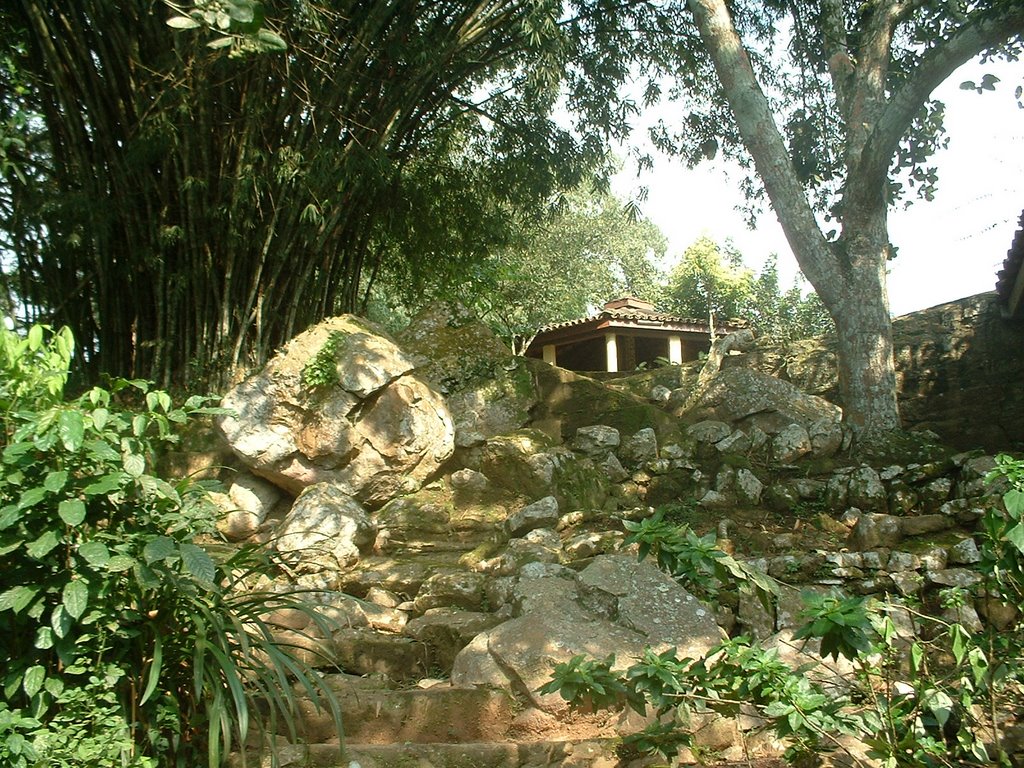
Position yourself near the mossy stone formations and exotic succulents to frame the unique textures of this landscape. It provides a quiet contrast to the dense forest canopy found elsewhere in the park.
Focus your lens on the wooden architecture and surrounding lush vegetation for a rustic aesthetic. This spot remains a popular choice for visitors booking aburi botanical gardens tours tour packages.
Utilize the vast green space and diverse tree species to get wide-angle shots of the varied flora. You can secure access to this area by purchasing your aburi botanical gardens tours tickets at the main entrance.
Planning aburi botanical gardens tours with children requires preparation for the tropical heat and expansive green spaces. As one of the most prominent Accra landmarks, this garden provides a natural escape for families looking to explore diverse plant species together.
The garden paths are largely composed of compacted earth and grass, which are manageable for sturdy strollers, though parents should be prepared for uneven terrain in more remote sections of the park. It is wise to consider a baby carrier if your child is very young to navigate off-path areas comfortably during your aburi botanical gardens tours tours.
We recommend the best arrival window of 08:30–10:30 to ensure cooler temperatures while exploring the canopy and lawns with children. This allows families to complete their aburi botanical gardens tours tour before the midday heat becomes intense.
Public restrooms are available on-site, though parents should carry their own supply of hand sanitizer and tissues. There are no dedicated baby-change facilities, so please plan accordingly for diaper changes in private areas.
Securing aburi botanical gardens tours tickets in advance helps streamline your entry process upon arrival at Aburi Akuapim South, Eastern Region, Ghana. Always keep the contact number +233 244074040 saved on your phone for any on-the-day coordination needs.
Visitors planning aburi botanical gardens tours will find modest refreshments on-site, with additional dining options located just a short walk away in the Aburi township. Exploring these Accra landmarks offers several opportunities to enjoy local Ghanaian cuisine after securing your aburi botanical gardens tours tickets.
This casual spot offers light snacks and cold beverages, making it convenient for those booking aburi botanical gardens tours tours. It is busiest during the midday hours, so early arrivals often find faster service.
$10-20
$5-10
Everything you need to know for your journey
The gardens are open daily from 08:30–17:00.
Yes, the entrance fee is 60 GHS (conservation fee, per foreign adult).
The best arrival window is 08:30–10:30 to ensure cooler temperatures and fewer crowds.
Yes, knowledgeable local guides are often available at the entrance to enhance your experience of the Aburi Botanical Gardens.
Absolutely, the gardens are family-friendly with plenty of lawn space for children to play during your visit.
There is no formal dress code, but comfortable walking shoes and light, breathable clothing are recommended.
The attraction is located at Aburi Botanical Gardens, Aburi Akuapim South, Eastern Region, Ghana.
You can contact the administration at +233 244074040.
While you can book various tour packages online, the primary entrance fee is paid at the gate for standard access.
Join thousands of happy travelers who have discovered this incredible experience
Book Your Experience Now